Seattle’s Lumen Field is gearing up for a showdown that’s about more than just goals—it’s become an unexpected cultural flashpoint. Iran and Egypt, two nations where same-sex relationships are criminalized, are set to face off in what local organizers have dubbed the "Pride Match," timed deliberately to coincide with the city’s annual Pride Weekend. The stadium will be awash in rainbow flags, drag performances will light up nearby stages, and watch parties across the city will celebrate LGBTQ+ visibility. But for the teams stepping onto the pitch, this isn’t a celebration—it’s a diplomatic headache they’d rather avoid.
Iran’s coach, Amir Ghalenoei, made it clear at a press conference that his focus is strictly on the game, not the festivities surrounding it. "We’re here to play football, nothing else," he snapped when asked about the Pride-themed event. "We don’t discuss things that contradict our beliefs or don’t exist in our society. The match, the sport—that’s all that matters." Egypt’s camp has been equally tight-lipped, sidestepping questions about LGBTQ+ rights with the same determination they’d use to defend a last-minute lead. Both teams seem to be operating under the same unspoken rule: if we don’t acknowledge it, maybe it’ll go away. But in Seattle, that strategy isn’t working.
The city’s World Cup organizing committee isn’t backing down, insisting the timing was never meant to provoke—just to reflect Seattle’s identity. Hedda McLendon, a spokesperson for the committee, put it bluntly: "This isn’t about Egypt or Iran. It’s about who we are." Pride Weekend was locked into the calendar long before the draw paired these two teams, and officials aren’t about to scrap traditions just because the matchup makes some uncomfortable. "If it challenges perspectives, good," McLendon added. "Curiosity beats retreat every time." The message is clear: visitors can either engage with the city’s culture or stay in their comfort zone, but Seattle won’t be changing its stripes for anyone.
FIFA, meanwhile, is walking a careful line. The governing body has confirmed that rainbow flags will be permitted inside the stadium, framing it as part of their broader commitment to inclusivity. "The World Cup welcomes fans of all backgrounds," a spokesperson stated, though they stopped short of officially endorsing the Pride Match label. Instead, they emphasized that general expressions of human rights—including symbols of LGBTQ+ pride—are allowed, provided they don’t disrupt the event. It’s a delicate balancing act: keep the tournament’s global appeal intact while not alienating progressive host cities. But for players and fans from countries where homosexuality is outlawed, these gestures might feel less like inclusivity and more like a cultural ambush.
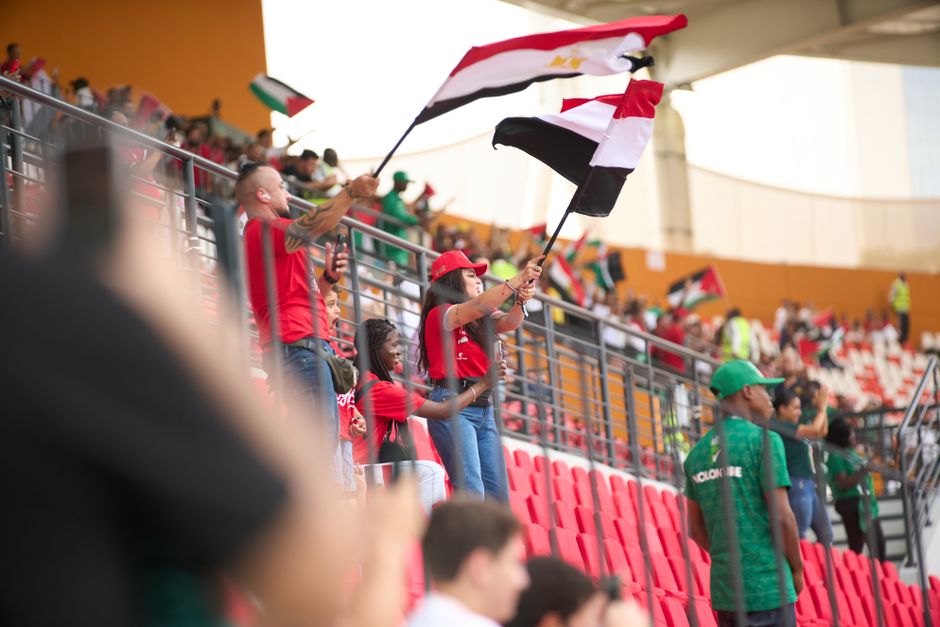
At a fan zone near the stadium, Egyptian supporters were more concerned with their team’s chances against Iran than the rainbow banners fluttering in the distance. "We’re here for football, not politics," one fan, Makarius Demian, shrugged as he adjusted his team’s scarf. Yet the disconnect between the two worlds couldn’t be starker. For Seattle, Pride is a point of pride; for the visiting teams and their supporters, it’s a concept so foreign it might as well be another language. As the clock ticks down to kickoff, the question lingers: can a single match bridge that gap, or will it only widen the divide?

تعليقات
إرسال تعليق