Seattle’s Lumen Field is set to become the stage for one of the most awkward showdowns of the 2026 World Cup—not because of the teams on the pitch, but because of the rainbow flags flying everywhere else. Iran and Egypt, two nations where homosexuality remains illegal, will face off in what local organizers have dubbed the "Pride Match," timed deliberately to coincide with the city’s annual Pride Weekend celebrations. Drag shows, watch parties, and a stadium draped in LGBTQ+ symbols await, all while the teams insist they’re only there for the soccer. The clash isn’t just about goals; it’s about whether the game will play out under the shadow of a cultural standoff neither side seems eager to acknowledge.
Iran’s head coach, Amir Ghalenoei, made it clear he has no interest in engaging with the elephant in the room. At a press conference ahead of the match, he brushed off questions about Pride with a curt dismissal: "We’re here for football, nothing else." His exact words carried a sharper edge—"things that do not exist" in his country, he said, weren’t worth discussing. Across town, Egypt’s camp mirrored the same silence, with players and staff dodging any mention of the rainbow-themed festivities surrounding their game. Both teams seem determined to treat the match like any other, even as Seattle’s streets pulse with parades and pride flags flutter from every lamppost. The disconnect is glaring: one side sees the event as a celebration; the other, as an unwelcome distraction—or worse.
Seattle’s World Cup organizers, though, aren’t backing down. Hedda McLendon, a spokesperson for the local host committee, framed the timing as pure coincidence—"Pride Weekend was locked in long before the draw paired these teams," she insisted—but also as an opportunity. "This isn’t about provoking anyone," she told reporters, standing against a backdrop of the stadium’s skyline. "It’s about showing who we are. If it makes some uncomfortable, that’s not our problem. Curiosity beats retreat every time." The message was unmistakable: Seattle’s identity, built on progressive values and inclusivity, wouldn’t bend to accommodate cultural sensitivities. Jess Fishlock, the Welsh soccer legend who now plays for Seattle Reign FC, doubled down on that stance. "This game is about Seattle, not Egypt or Iran," she said. "We’d celebrate Pride no matter who was playing. It’s who we are."
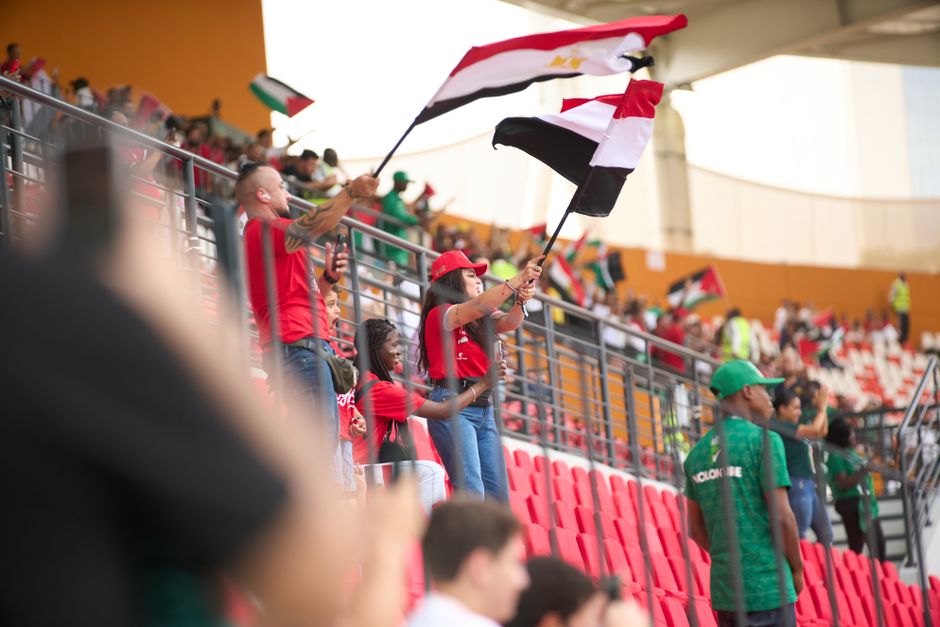
FIFA, ever the diplomat, tried to thread the needle. In a carefully worded statement, they clarified that while rainbow flags would be permitted inside the stadium—"provided they’re displayed respectfully"—this wasn’t an official "Pride Match." Just another World Cup game, they claimed, happening to land in a city where Pride Weekend was already in full swing. The governing body’s stance was a masterclass in neutrality: welcoming fans of all backgrounds while sidestepping any direct endorsement of the event’s LGBTQ+ themes. But the subtext was clear—FIFA wasn’t about to let two nations’ objections derail a celebration already baked into the city’s calendar. Behind the scenes, though, the tension simmered. Egyptian fans at a nearby fan zone, cheering on Mexico ahead of their own team’s match, shrugged off the controversy. "We’re here for football," one said, waving a flag. "The rest? Not our concern."
The real question isn’t whether the game will go ahead—it will—but what happens when the final whistle blows. Will the stadium’s rainbow banners fade into the background, or will they linger as a silent rebuke to the teams that tried to ignore them? For Seattle, the answer is already settled. Pride Weekend isn’t just a backdrop; it’s part of the story, whether the players like it or not. And in a city where inclusivity isn’t up for debate, even a World Cup match can’t escape the conversation.

تعليقات
إرسال تعليق