When the whistle blows at four in the morning Seattle time this Saturday, Iran and Egypt will step onto the pitch for what’s officially just another World Cup group-stage game. Unofficially, though, it’s already being called the "Pride Match"—a label that’s turning what should be a straightforward football contest into a cultural standoff. The timing isn’t accidental; the match falls smack in the middle of Seattle’s Pride Weekend, a citywide celebration of LGBTQ+ rights, complete with drag shows, rainbow banners draped across every lamppost, and watch parties spilling out of bars. Inside the stadium, organizers plan to fly the same rainbow flags that symbolize everything the visiting teams’ home countries criminalize. And neither side is happy about it.
Iran’s coach, Amir Ghalenoei, made that clear when he brushed off questions about Pride with a blunt, almost dismissive wave of the hand. "We’re here for football, nothing else," he told reporters, his voice steady but edged with frustration. "Things that don’t exist in our religion—things that are forbidden—we don’t discuss them. We talk about the match, the game, the beauty of sport." Across town, Egyptian officials echoed the sentiment, though with slightly less fire. Both teams have tried to steer every press conference back to tactics and form, but the elephant in the room keeps stomping around. FIFA, for its part, has drawn a careful line: rainbow flags will be allowed inside the stadium because, as they put it, the World Cup is an "inclusive event" that welcomes fans of all backgrounds. But don’t call it a Pride Match, they insist—it’s just a game happening to land on a weekend when Seattle is awash in glitter and parades.
Seattle’s World Cup host committee, though, isn’t backing down. Hedda McLendon, one of the organizers, stood in front of reporters with the city’s skyline stretching behind her and made it clear: this wasn’t some last-minute stunt to ruffle feathers. Pride Weekend had been locked into the calendar long before the draw paired Iran and Egypt, she explained, and the city isn’t about to hit pause on its values just because two nations with anti-LGBTQ+ laws are in town. "We’re excited," she said, her tone firm but not confrontational. "Maybe it’s not how you live, maybe it’s not how things work where you’re from. But this is what makes us who we are. We want you to see it, to ask questions, to understand." The message was unmistakable: Seattle’s identity isn’t up for negotiation, even for a World Cup match. Jess Fishlock, the Welsh football legend who’s played for Seattle Reign FC for over a decade and now sits on the host committee, put it even more plainly. "This game is about Seattle," she said. "Not Egypt. Not Iran. Whoever was playing, we’d be doing the same thing. Pride is part of our city’s DNA."
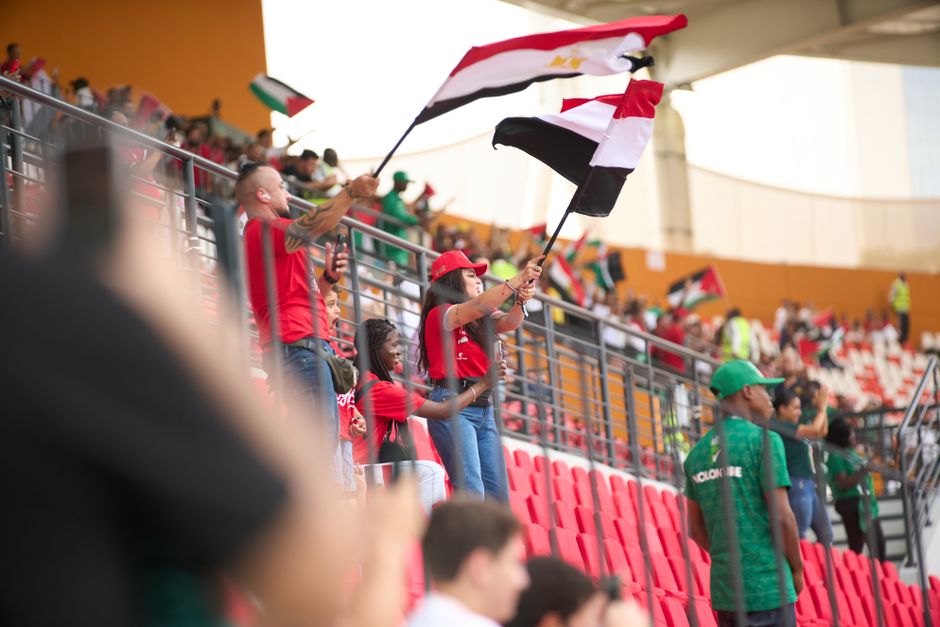
Out in the fan zones, though, the divide feels wider than just a cultural gap. Egyptian supporters we spoke to were cheering for Mexico in an earlier match, their voices loud and unapologetic, but when the conversation turned to Pride, the mood shifted. Makarius Demian, a die-hard Egypt fan, shrugged when asked about the rainbow flags. "Right now, it’s about the team moving forward," he said. "The rest? It doesn’t matter." His friend, Amani Abouammo, who was selling Egyptian street food from a food truck, was more direct. "We don’t get it," she admitted. "And they don’t get us. It’s like we’re speaking different languages." Over by the merchandise stands, Iranian fans were just as tight-lipped, though a few younger supporters whispered among themselves in Farsi, their eyes darting toward the rainbow decorations before quickly looking away. The tension isn’t just between the teams—it’s in the air, thick and unavoidable, a reminder that for all the talk of unity in sport, some divides run too deep to bridge in ninety minutes.
FIFA’s official statement tried to smooth things over, calling the World Cup a place where "fans of all sexual orientations and gender identities are welcome." But the carefully worded language—"general statements of human rights," "flags representing sexual orientation and gender identity," "consistent with the stadium code of conduct"—reads less like an embrace and more like a legal disclaimer. The reality is messier. This isn’t just another game. It’s a collision of worlds, a moment where sport, politics, and identity all crash together under the glare of stadium lights. And when the final whistle blows, no one’s walking away with a clean win—just a reminder that even in a tournament built on bringing people together, some differences refuse to be kicked aside.

تعليقات
إرسال تعليق