As the 2026 World Cup draws near, a scheduled match between Iran and Egypt in Seattle has unexpectedly become a focal point of cultural tension. The game, set for the Friday before the city’s annual Pride Weekend, has been officially labeled a Pride Match by local organizers. The event will feature drag performances, watch parties across the city, and rainbow flags—symbols of LGBTQ+ pride and inclusion—displayed prominently inside the stadium. Despite objections from both teams, whose countries criminalize homosexuality, Seattle officials have made it clear the celebration will proceed as planned. Iran’s head coach, Amir Ghalenoei, dismissed questions about the event during a press conference, stating his team’s sole focus is on the game itself. "We’re here to compete in football, nothing more," he said. "We won’t discuss matters that conflict with our beliefs or don’t exist in our world. Our attention is on the match and the sport."
Seattle’s World Cup organizing committee insists the timing of the Pride Match was not intended to provoke controversy. They explained that the city’s Pride Weekend plans were finalized long before the World Cup draw paired Iran and Egypt in this particular fixture. Hedda McLendon, a representative of the host committee, emphasized that the event is about embracing the city’s identity rather than targeting any specific teams. "This is who we are," she told reporters after a press briefing. "It might not align with your values or your country’s laws, but we want you to experience what makes Seattle unique. The answer to discomfort isn’t avoidance—it’s curiosity." McLendon and other officials repeatedly stressed that the match’s designation as a Pride event had nothing to do with the teams involved. The celebration, they said, would have happened regardless of who was playing, as it reflects the city’s long-standing commitment to inclusivity and diversity.
Wales football icon Jess Fishlock, who has played for Seattle Reign FC for over a decade and now serves on the host committee, echoed this sentiment. "This match is about Seattle, not Iran or Egypt," she said. "We would have celebrated Pride Weekend the same way no matter who was on the field. It’s a core part of our city’s culture and values." FIFA, the governing body of world football, has weighed in on the matter, confirming that rainbow flags will be permitted inside the stadium. However, the organization clarified that this is not an official FIFA Pride Match but rather a standard World Cup game taking place in a city that happens to be marking Pride Weekend. In a statement, FIFA reiterated its commitment to inclusivity, noting that the tournament welcomes fans of all backgrounds. "General expressions of human rights, including rainbow flags and other symbols representing sexual orientation and gender identity, are allowed under the stadium code of conduct," the statement read, "provided they are displayed respectfully and in accordance with the rules."
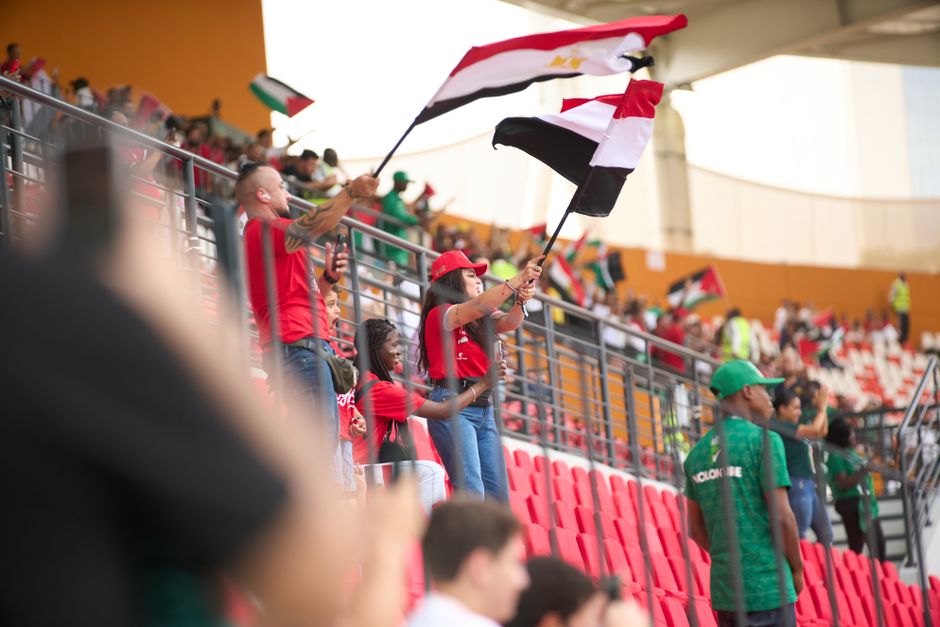
The cultural divide between the teams and the host city became evident when speaking with Egyptian fans gathered at a local fan zone. Many were there to support Mexico ahead of their own team’s match against Iran, and they made it clear that Pride celebrations were not a priority. "Right now, we’re just focused on the game," one fan said. "It’s about two teams trying to advance in the tournament. The rest doesn’t matter to us." The sentiment underscored the broader disconnect between the values of the competing nations and those of the host city. Seattle’s Pride Match, intended as a celebration of diversity, has instead highlighted the stark differences in how LGBTQ+ rights are perceived around the world. For the organizers, the event is an opportunity to showcase the city’s progressive stance, while for the teams and their supporters, it’s an uncomfortable reminder of the global divide on social issues.
As the match approaches, the tension between football and politics remains unresolved. Iran and Egypt have both made it clear they will not engage with the Pride celebrations, choosing instead to treat the game as any other World Cup fixture. Meanwhile, Seattle’s officials and residents are preparing to welcome fans from around the world while staying true to their city’s identity. The rainbow flags will fly, the drag performances will go on, and the game will be played—but the underlying questions about cultural clashes in global sports will linger long after the final whistle. For now, the stadium will serve as a microcosm of the broader world, where sport and social values collide in ways that are as awkward as they are unavoidable.

تعليقات
إرسال تعليق